Mga Kwento sa Kusina… Stories from the Kitchen.
Growing up, we had sinigang at least once a week. The protein changed every time, and that was fine. Because it was sinigang. The one that needs lots of rice, like literally.
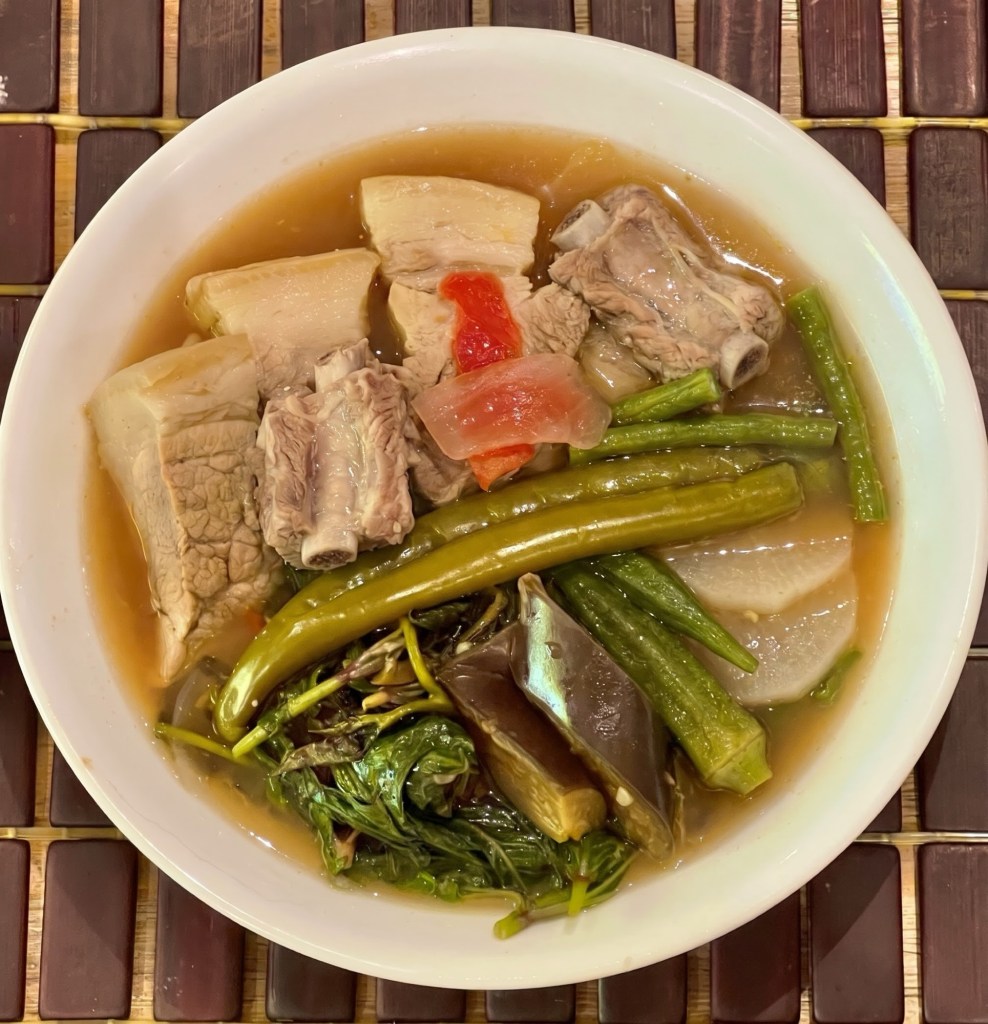
Of all the variations, sinigang na baboy is the ultimate comfort food for me. There is just something about each element of the dish. It’s the sourness of the sampalok, the earthiness of the vegetables, and that tender pork with its fat melting right into the broth. With a touch of crushed chili in patis it just translates to comfort, warmth and satisfaction in one bowl.
Everybody’s Dish
At home, my mom cooked it. My Dad cooked it. My grandma cooked it. Even manang cooked it. Sinigang did not belong to one cook in our house. It belonged to everyone. Each with their own touch and style but all equally yum.
My Version
My own version came together during my years abroad, cooking to beat being home sick. Especially during the cold days in the UK. And so as the years went by I have come up with my own Sinigang na Baboy.
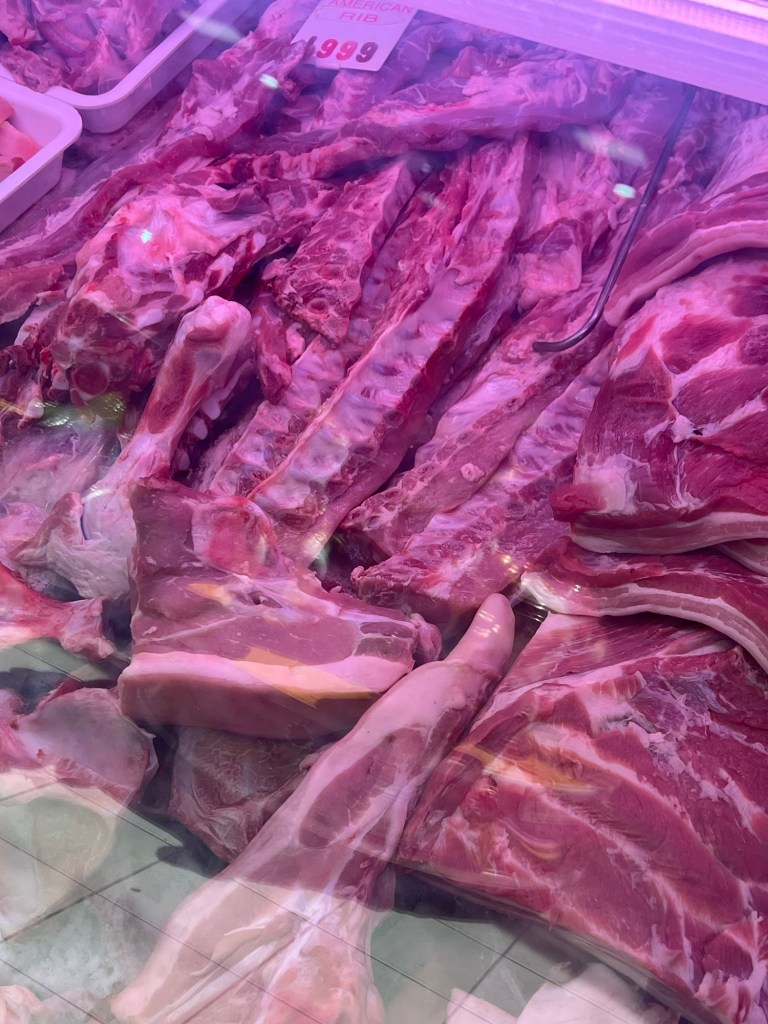
I use two cuts of pork. Ribs, which I always have the butcher cut for me, and pork shoulder for that layering of fat and meat. And I have always used sinigang mix, purist will say that is cheating but who has the time to really crush your own tamarind. So Knorr or Mama Sita’s what ever was available.
For the vegetables, I go full on Bahay Kubo. Sitaw, labanos, talong and okra, plus kangkong when I can find it. When I can’t, spinach steps in. And of course tomatoes, onions and green siling haba.
Lucky now that I’m in Melbourne, everything is readily available.
At the Market
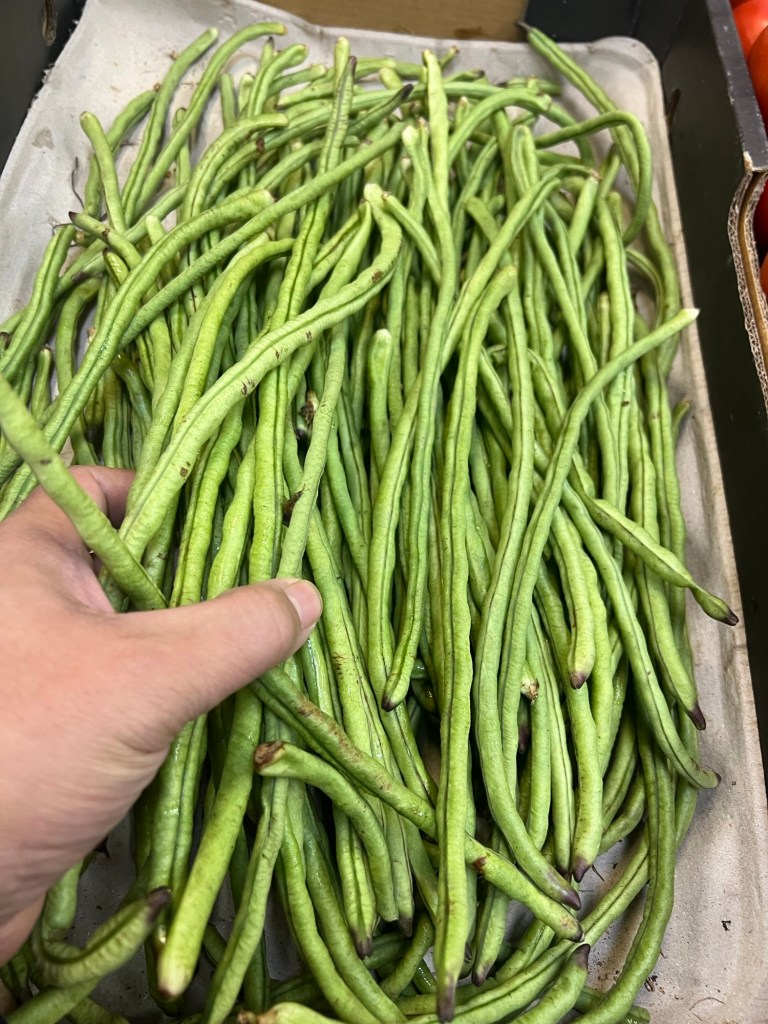
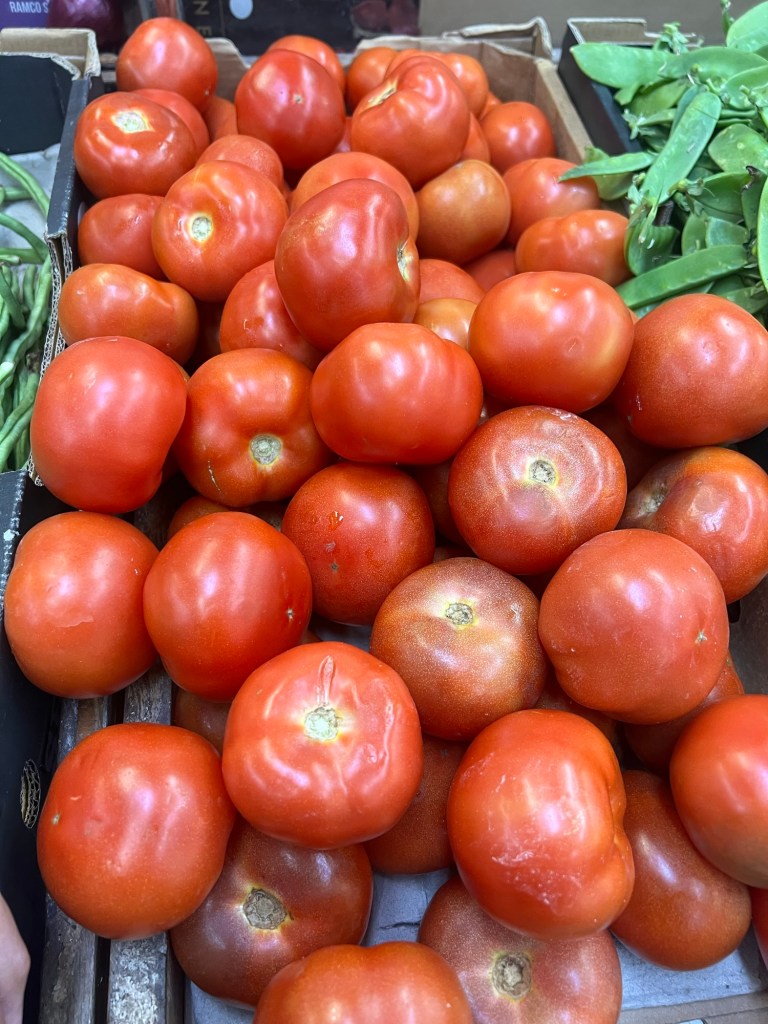
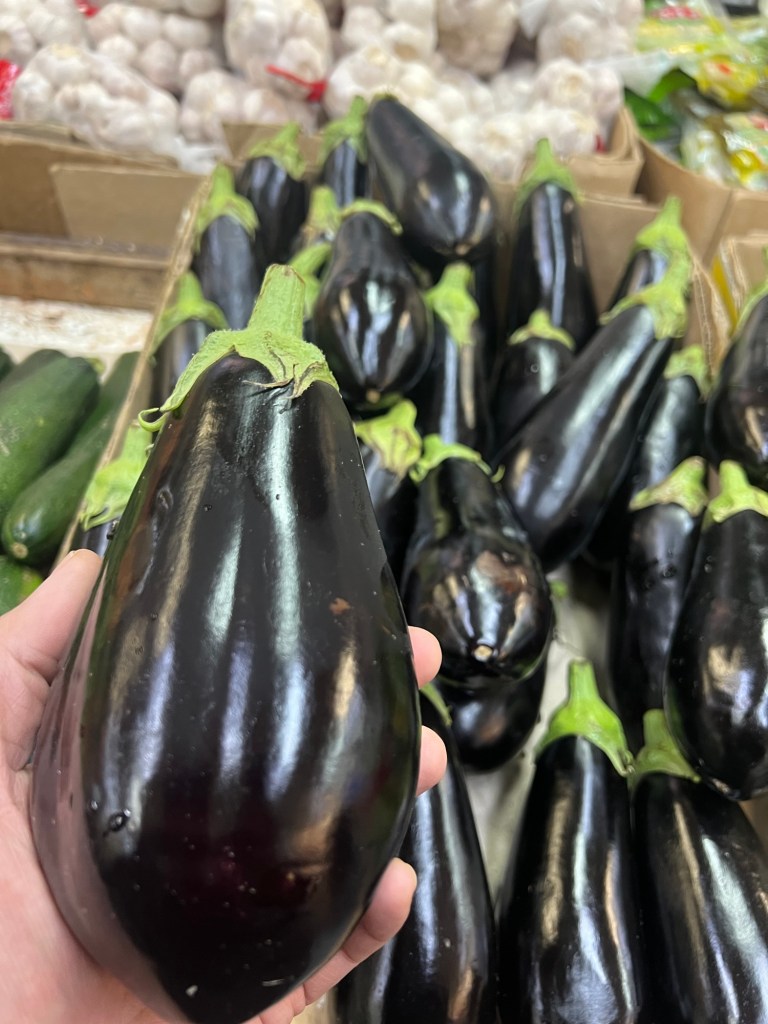
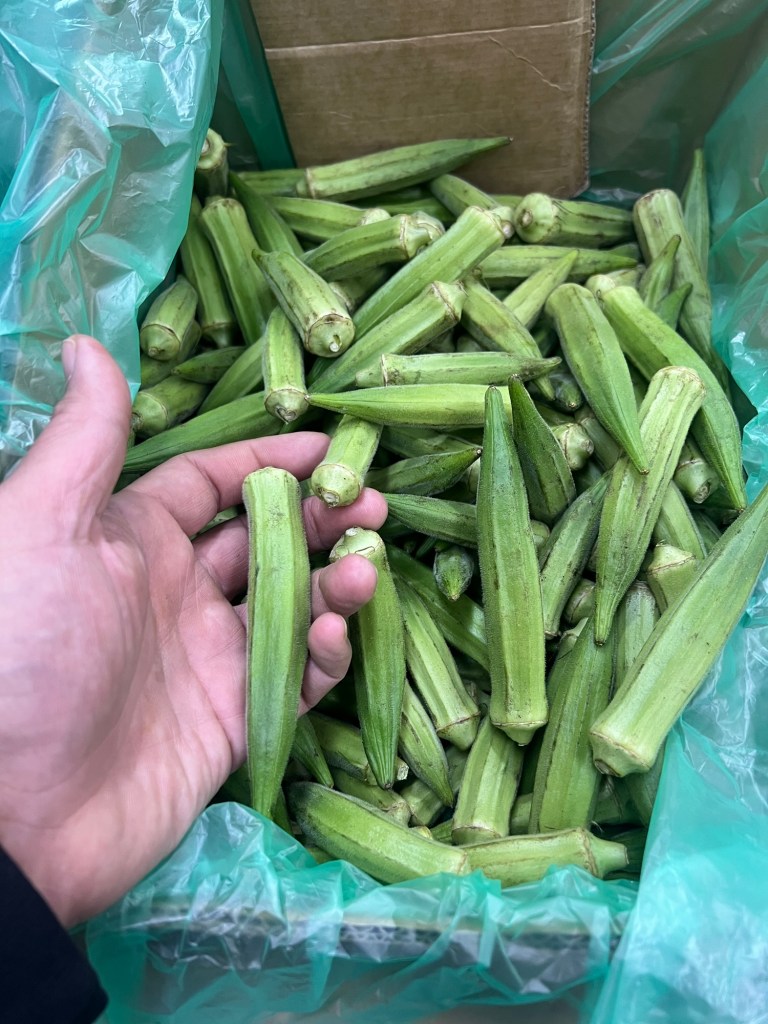
Sinigang starts at the market, and for me that is Springvale, as always. First stop is the butcher, where I have the ribs cut the way I like them and pick out a piece of shoulder with a good layer of fat running through it. Then the vegetables. Long, firm sitaw, ripe tomatoes, a glossy eggplant and fresh okra. The whole Bahay Kubo pot, all in one trip.
Sinigang na Baboy
500 g pork ribs, cut by the butcher
500 g pork shoulder
3 tomatoes, quartered
1 red onion, quartered
2 green siling haba
200 g sitaw
1 medium labanos (white radish)
1 eggplant
100 g okra
2 bunches kangkong, or spinach
2 packs sinigang mix, Knorr or Mama Sita’s
Hugas bigas (the water from washing the rice), eyeballed
Salt, black pepper and patis, to season
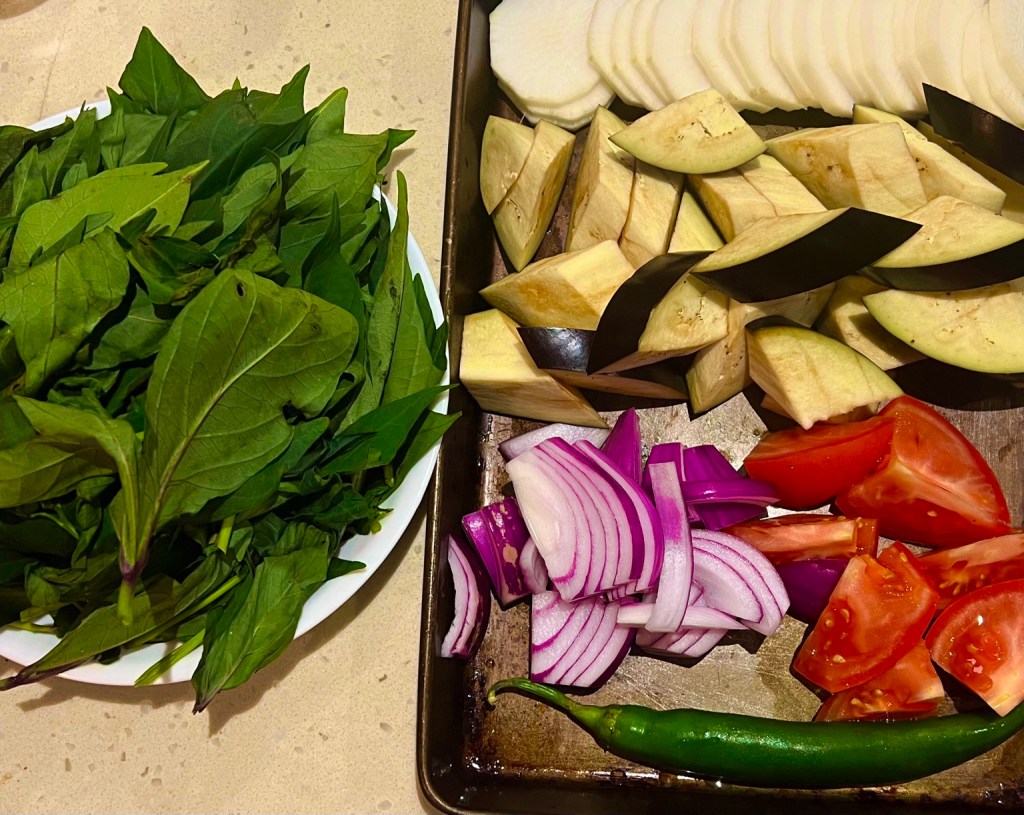
Step 1 — Wash the pork ribs and shoulder. No blanching, straight into the pot.
Step 2 — Add the tomatoes, onion and siling haba right in with the pork. Then pour in the hugas bigas, the water from washing the rice, instead of plain water. Add enough to cover everything, with room left for the vegetables. I eyeball it.

Step 3 — Add the first pack of sinigang mix. Bring it to a boil, then lower the heat and simmer until the pork is tender.
Step 4 — Add the vegetables in order. Labanos first, then the eggplant, then the sitaw and okra. Let each one cook until tender but not mushy.
Step 5 — Stir in the second pack of sinigang mix, then the kangkong or spinach. Season with black pepper, salt and patis, and taste as you go.
How We Eat It
With lots and lots of rice. Then take one of the sili from the broth and crush it in a small bowl with patis and calamansi. Spoon that over everything.
More Than a Dish
Sinigang was the one dish that never ran out of cooks at our table. Years later, in my own kitchen and far from home, it is still the pot that brings that table back. Sour, warm and with a mountain of rice.
Chef’s Tip
Splitting the sinigang mix is the trick. The first pack builds the sourness into the pork as it cooks, and the second one at the end brings the sharpness back to the broth. Add the kangkong last so it stays green.
Happy Cooking and always remember to cook with your Heart…

