Mga Kwento sa Kusina… Stories from the Kitchen.
It is one of those days where you are craving something but will not settle for just what is available.
That was me today. I wanted longganisa. But not the generic kind. I wanted a specific flavour. So I decided to make it myself.
Traditionally longganisa is made of pork. But this one I made with beef.
I went to my butcher and got some nice fatty beef chuck, which I had him mince coarsely for me. Chuck is a great cut for making sausages because of the fat content. You need that fat. Lean sausage is sad sausage.
Got home, gathered my ingredients, soaked the casings which I had left to defrost before heading to the butcher, and set up the sausage maker.
Tradition Stuffed Into Casing
Longganisa, like so many dishes in the Philippines, has many versions. Each with its own characteristics and flavour profile. For Filipinos it is not just a dish. It is tradition and culture stuffed into a casing.
Among the favourites you have Vigan, which comes from Ilocos. Lucban, from Quezon. Chorizo de Cebu, from Cebu. And Calumpit, from Bulacan. Then there is the Hamonada, the sweet one you will find in wet markets all around the country.
Mine is a cross between the classic Hamonada and the Lucban. A bit of sweetness balanced with tanginess. Lots of pepper, garlic and oregano, with a hint of chili. The best of both worlds.
And what do you do when you have longganisa? You make Longsilog.
Beef Longganisa
1.5 kg beef chuck, coarsely minced
300 g beef sausage mince
15 g salt
200 g raw sugar
15 g smoked paprika
10 g annatto powder
70 g minced garlic
20 g dried oregano
120 ml cane vinegar
30 ml light soy sauce
100 g breadcrumbs, hydrated in water
Dried hog casing or sausage casing, about 1 inch diameter
Step 1 — Soak the casing and set aside.
Step 2 — In a mixing bowl, add your mince and all the other ingredients. Mix until well combined. Cover the bowl with plastic wrap, or transfer into a container with a lid. Let it marinate in the fridge for at least an hour.
Step 3 — Place a knot on one end of the casing and feed it onto the tube of your sausage maker. Load the mixture into the sausage maker and fill the casings.
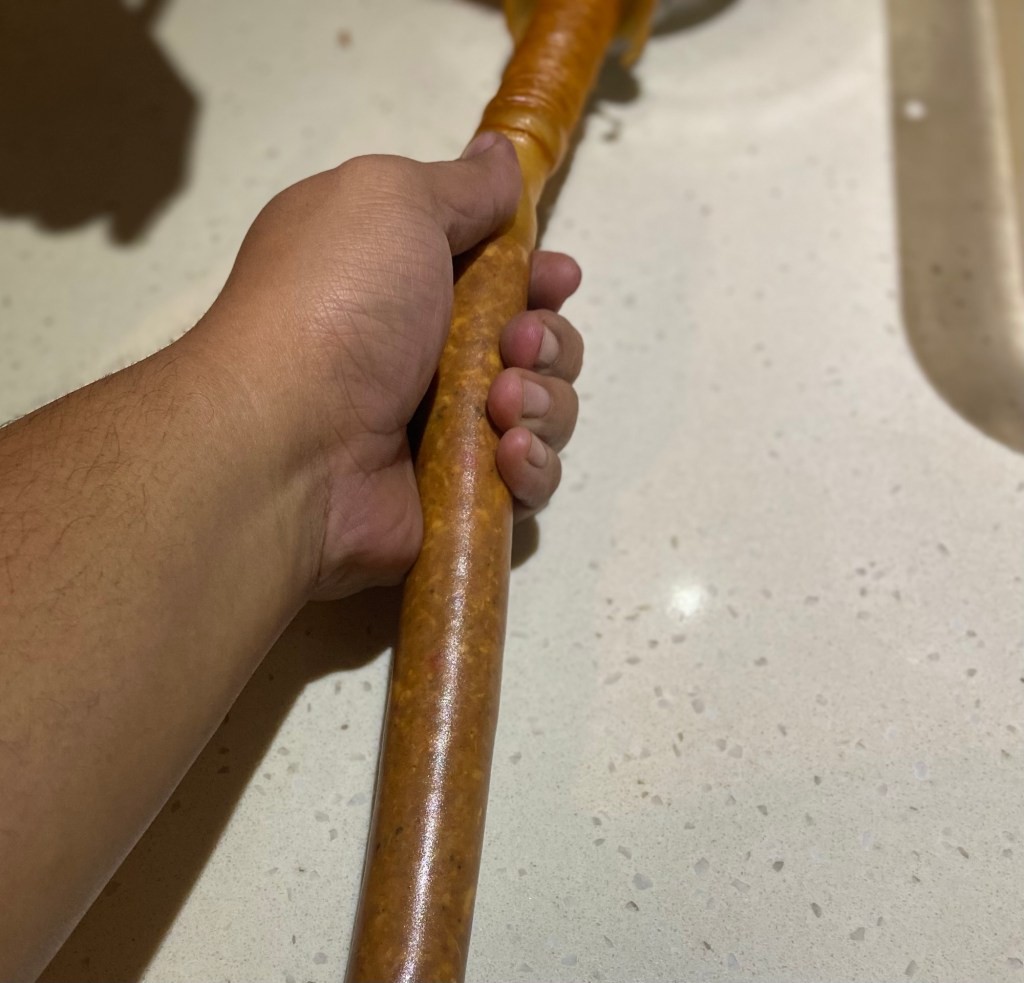
Step 4 — Divide each link by twisting it, or use kitchen twine.
Step 5 — Once you have made your links, place the sausages on a tray lined with tea towels and leave in the fridge for at least 2 days to dry.

Step 6 — To cook, place a bit of water in a pan and let the sausages cook until the fat renders and they finish cooking in their own fat.
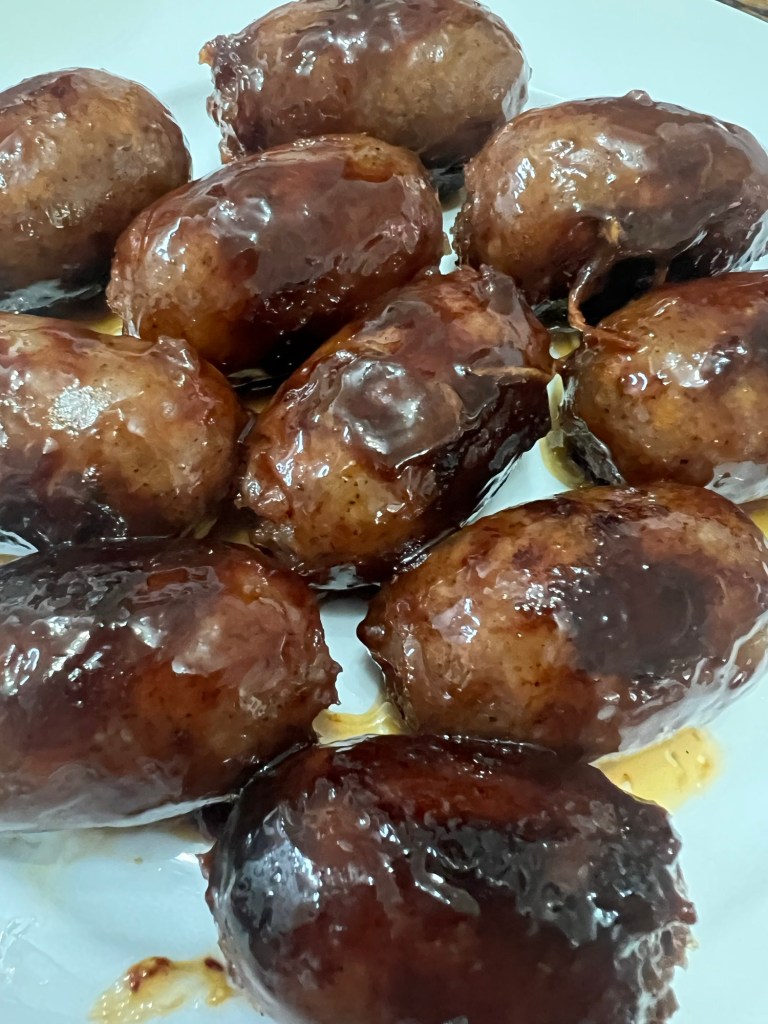
Make It Longsilog
Longsilog is part of the Silog Family of Filipino breakfast staples. Longganisa. Sinangag. Itlog.
To make it you need to serve your longganisa with:
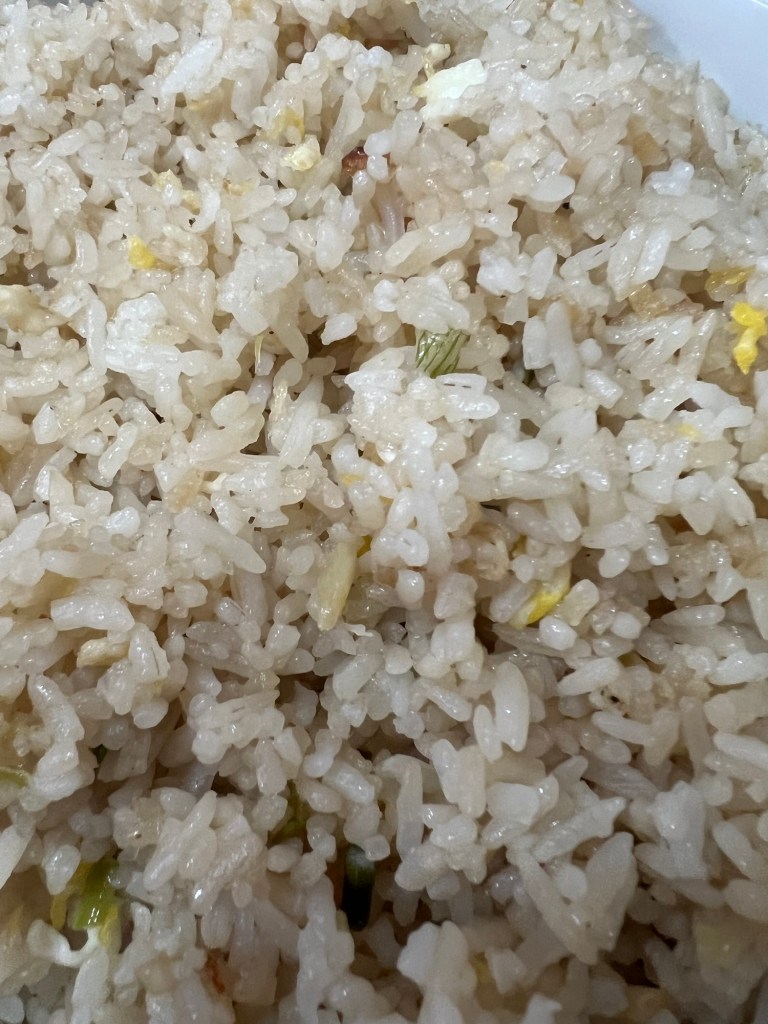
-1 serve of garlicky fried rice.
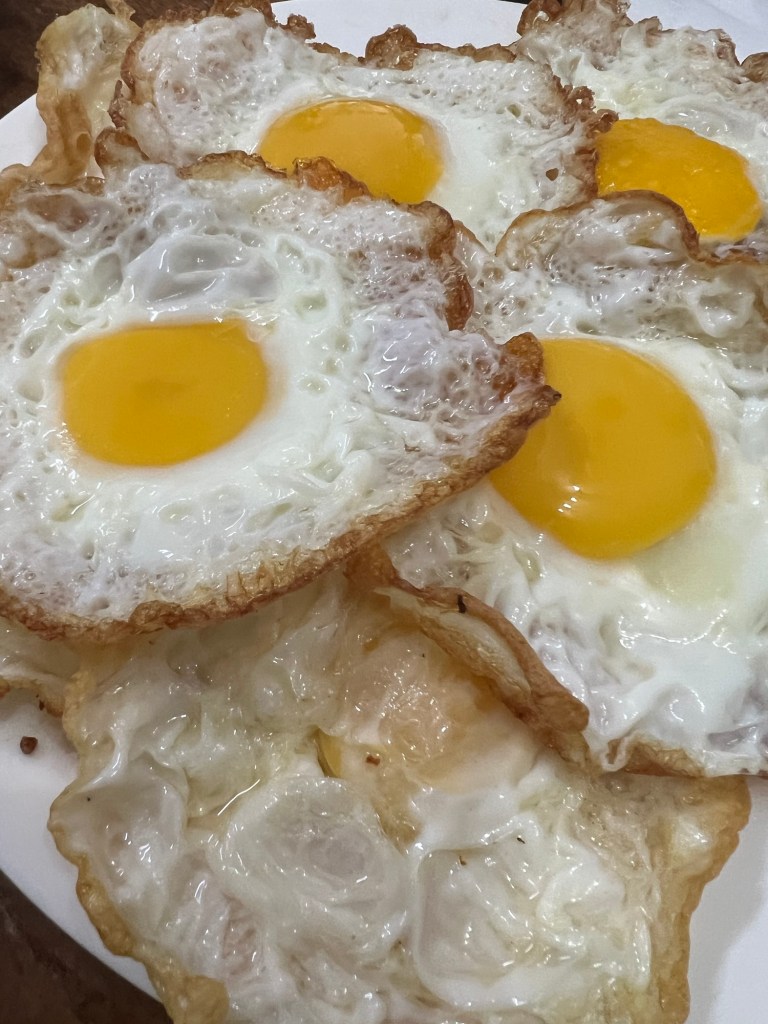
-A fried sunny-side up egg with a perfect yolk (you can have as much eggs as you want, I would always have 2 by default).
-A bit of atchara on the side if you have it.
-Spicy vinegar on the side
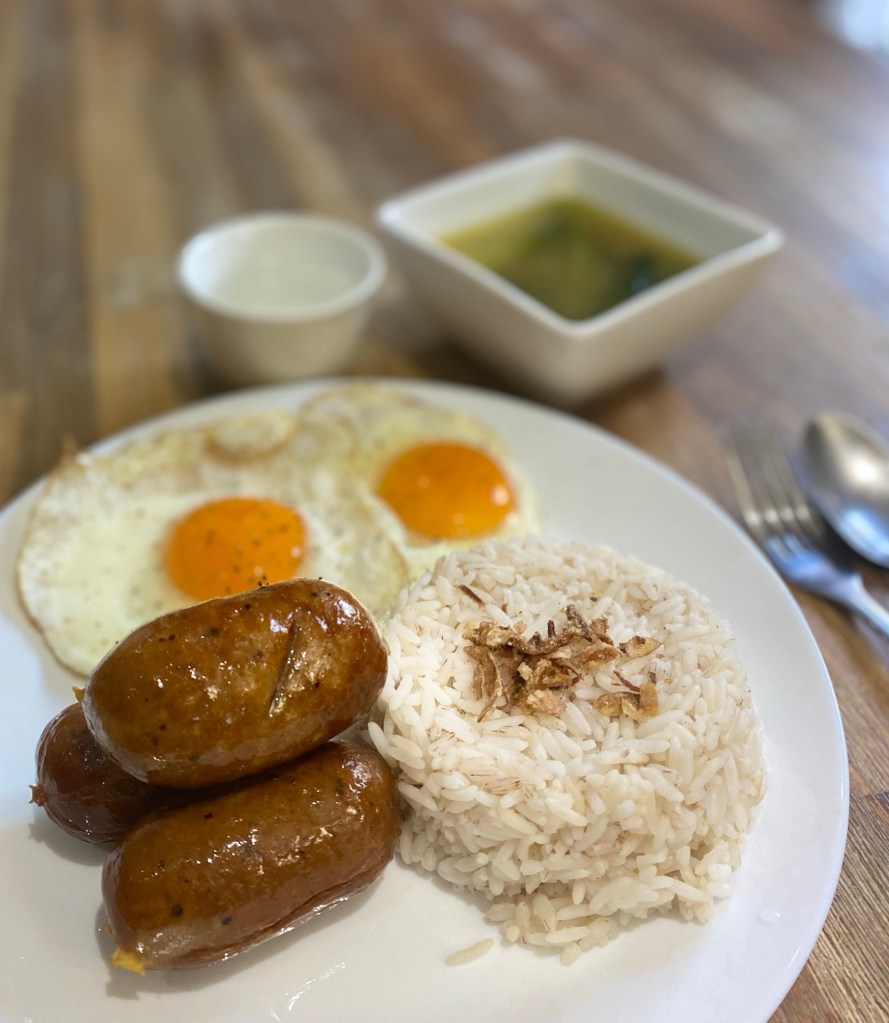
That is the plate. That is the craving answered. No settling required.
Chef’s Tip
Always keep your sausage mixture cold before handling. Warm temperatures melt the fat, ruining the texture and causing the meat to become dry and mealy. If your kitchen is warm, chill your bowl and your sausage maker parts in the fridge before you start.
Happy Cooking and always remember to cook with your Heart…

